Katsugen and Yuki
Katsugen
Katsugen Undō means “regulatory movement, coordination of the CVP”. The word “undō” means “movement”, but when we refer to the practice, we usually simplify it by saying just “katsugen”.
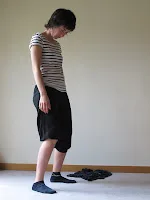
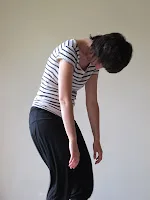
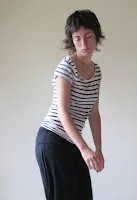
Practicing katsugen is letting yourself be moved spontaneously, sensing how the CVP wants to coordinate. Thus, a spontaneous dialogue is established between conscious and unconscious, voluntary and involuntary, “dressed self” and “spontaneous self”… setting aside any pretense of correcting anything or doing anything special, simply following what manifests within the movement.
There are various ways to induce the practice, but once we enter it, we let ourselves be moved naturally from the impulse of the axis (spine). The very inertia of the movement allows us to feel which parts hinder the global coordination of the organism and prevent us from moving with more flexibility. Instinctively, the body finds ways to recover movement where vital energy tends to stagnate.
This attitude of listening and letting ourselves be surprised in movement activates a unique and different expression according to each person and their moment. Spontaneous creativity, fruit of the richness of the inner world that exists in each of us.
Practicing katsugen leads us to the sensation that, subtly, we recover a part of ourselves that allows us to perceive ourselves from our real state and its need to readjust.
The organism is prepared to self-regulate and if we give it space to express itself, it has its own resources to recover from familiar situations that cause nervousness, anxiety, bad mood, headaches, lack of appetite or compulsive eating, kidney stones, adversities that seem unsustainable, etc.
Yuki
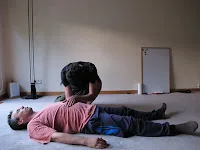
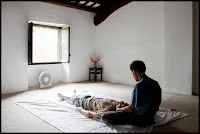
The word Yuki means “communication of Ki, vital energy”. Its practice, like katsugen, starts from observing spontaneous movement, but bringing attention to the hands. We can practice yuki with ourselves, in pairs or in a group.
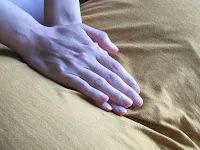
Yuki is the instinctive gesture of placing the hands on any part of the body and allowing ourselves to feel the movement of life there, which can be captured through breathing, temperature, tissue consistency, etc.
The presence of the hands helps us become aware of the state of the place where they are. Perceiving this state generates the internal need that, if necessary, increases the margin of movement there, which in turn affects the whole CVP.
A predisposition free of intention to achieve anything special, trains and recovers the natural sensitivity of the hands, of the areas where these direct our attention or those that are directly related to them.
There are various themes that can be taken into account through practice. We begin with the basic perception of the hands and, without losing sight of this listening attitude, over time we can become sensitized to themes of attention and observation based on the logic of the structure of spontaneous movement (Osei theme).
There are vital areas in our body where doing yuki can favor respiratory amplitude and facilitate induction to katsugen (Ex: points/areas of the head, head-neck and neck-trunk connection, abdomen, pelvis, areas of the back and intervertebral spaces, extremities, etc).
Both katsugen and yuki are instinctive movements and as such, we do not direct them nor can they be considered as techniques that teach us ways of doing. Each person goes feeling themselves and others from their moment, their excessive tension and the natural need to readjust it, therefore, learning is constant and according to each person’s vital process.